
How Do I Stop My Puppy From Biting and Nipping?
Reward the puppy for calm behavior
.jpeg)
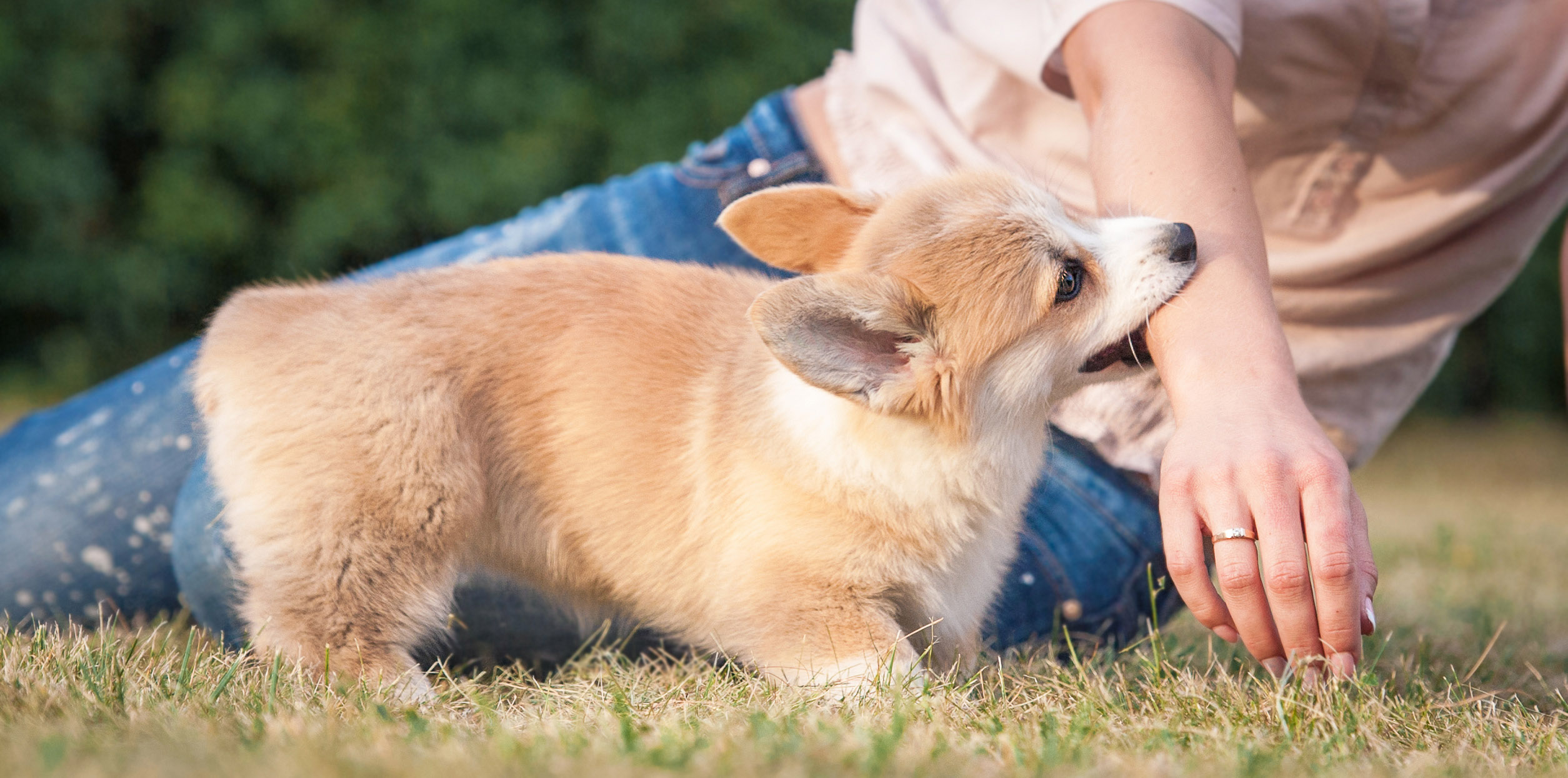
Puppies bite to get one ‘s attention, but the biting can become a habit and become serious as the puppies age
Why Puppies Bite and Nip
- Puppies explore the world with their mouths.
- Biting can be the reward for the puppy’s pray drive.
- Nipping is an instinctive herding behavior for some breeds.
- Puppies play by chasing, grabbing, and wrestling.
- Teething puppies often bite more between 4½ and 5½ months.
- Moving objects such as hands, sleeves, and pant legs trigger chasing.
- Overtired puppies often become more mouthy.
- Some puppies learn that biting gets attention -Even your negative reaction can be interpreted by the puppy as a reward for biting.
What to Avoid
- Don't punish normal puppy behavior.
- Don't wave your hands around or jerk them away. They become ‘toys’ to grab.
- Don't accidentally reward biting with attention. Puppies learn –‘I bite. They pay attention to me’.
- Avoid rough games that encourage grabbing at things and people.
- No tug-of-war games – teaches the puppy to use its mouth to get its way.
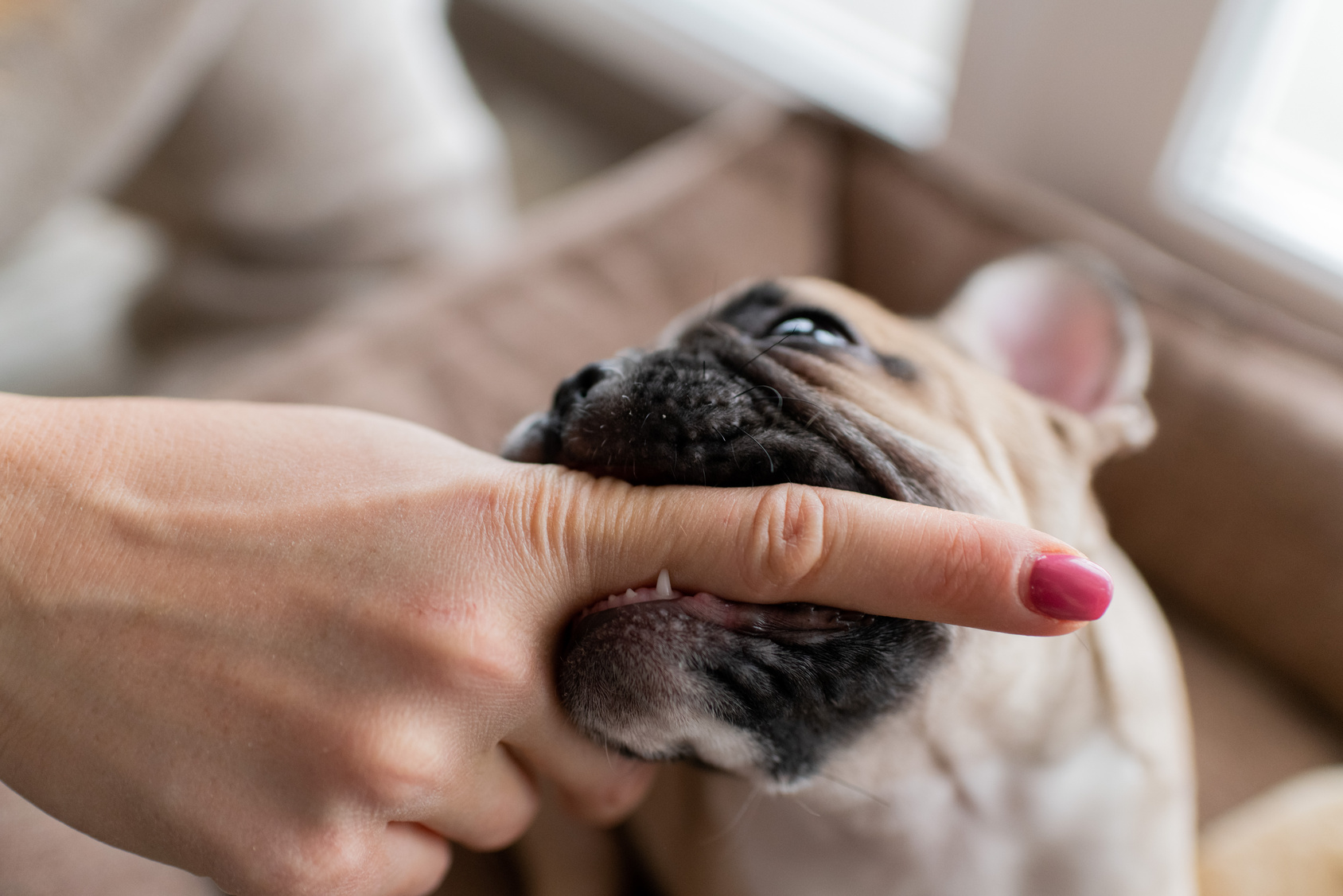
While puppies bite lots of things to explore the world, teeth on skin is one of the behaviors that needs to be curbed promptly
What Can Help
- Redirect the puppy to an appropriate toy.
- Reward calm behavior.
- Curb biting now to avoid it becoming a habit for an adult dog.
- Identify situations that trigger biting – introduce and reward positive behavior in those situations.
- Schedule frequent naps and quiet periods.
- End play briefly when teeth touch skin.
When Should I Get Help?
- Recognize most puppy biting is normal.
- If your puppy is
- causing injuries,
- guarding food or toys, or
- showing unusually intense reactions
- Professional guidance can help.
How DogSchooling Can Help
To curb biting and nipping behavior, we help you recognize your priority is teaching and rewarding positive behaviors rather than correcting negative behaviors.
Ready to get started? Learn more about Puppy Kindergarten.
Help with common puppy behaviors
About The Author
Ann Gafke has spent more than 50 years helping families understand why dogs behave as they do before teaching how to adopt appropriative behaviors. As founder of DogSchooling in Columbia, Missouri, she has worked with thousands of puppies, family dogs, therapy dogs, service dogs, and dogs with reactive or aggressive behaviors.
Why Families Choose DogSchooling
- More than 50 years serving Mid-Missouri families
- Positive, reward-based training
- Weekly classes with private coaching included
- Video feedback between classes
- Puppy, family, therapy, service, and reactive dog programs