
Why Does My Dog Bark and Lunge at Other Dogs and People?
Teach your dog behavior options
.jpeg)
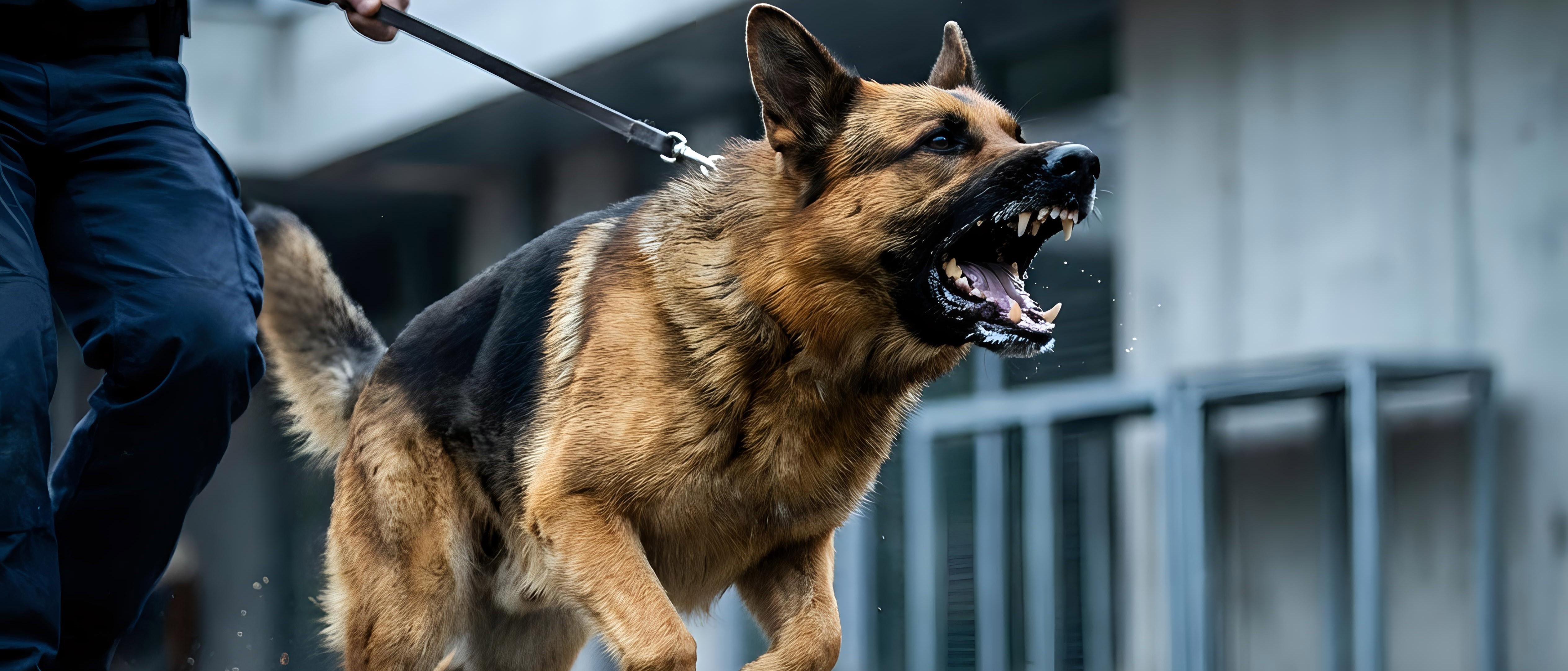
Why Dogs Bark and Lunge
- Dogs may be afraid and want the other dog or person to move away.
- Dogs restrained by a leash, fence, window, or vehicle may become frustrated because they cannot investigate or greet.
- Barking and lunging are often the dog's attempt to change what is happening in the environment.
- Some dogs are alerting their family to something new or unfamiliar.
- Dogs that lack positive social experiences may not know calmer ways to respond.
What to Avoid
- Punishing the barking and lunging.
- Failing to recognize what stimulated the barking and lunging.
- Not teaching the dog alternative behaviors.
- Waiting until the dog is already barking before trying to intervene.
Dogs usually use the least amount of force necessary to solve what they perceive as a problem. Barking and lunging are often attempts to communicate before behavior escalates.
What Can Help
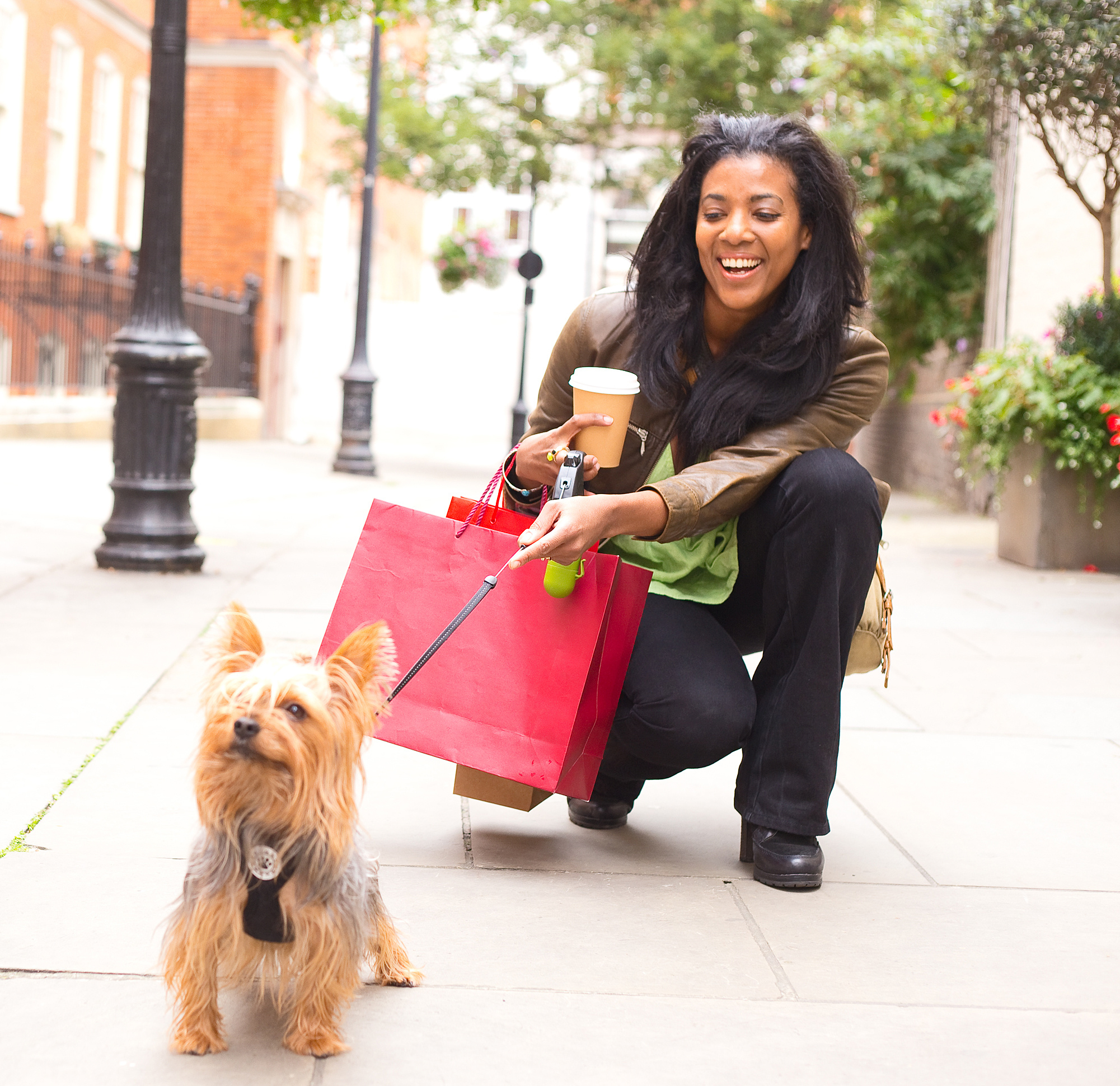
- Recognize that barking and lunging may be the only strategy your dog has learned for handling the situation.
- Teach your dog response options.
- Reward the dog for responding with those options in presence of the trigger.
Summary
Barking and lunging are often signs that a dog is uncertain, fearful, frustrated, or simply unsure how to respond appropriately. Rather than asking only, "How do I stop the barking?" a better question is, "Why does my dog feel the need to bark?" Understanding that answer allows you to teach calmer, more confident behavior.
How We Can Help
Schedule an evaluation and let us help you develop a training plan that's right for your dog.
About the Author
Ann Gafke has spent more than 50 years helping dogs and their owners succeed through practical, positive training. She is the founder of DogSchooling in Columbia, Missouri and has worked with thousands of puppies, family dogs, therapy dogs, and their owners.
Why Families Choose DogSchooling
- More than 50 years serving Mid-Missouri families
- Positive, reward-based training
- Weekly classes with private coaching included
- Video feedback between classes
- Puppy, family, therapy, service, and reactive dog programs