
In the News
Every week I read what researchers and reporters are turning up about dogs — how they learn, what they smell, what they do for the people around them. These are the stories worth passing on, with a note on what they mean for training. New items go up as I find them.

More Than 84% of Dogs Show Signs of Fear or Anxiety
Researchers at Texas A&M looked at more than 43,000 dogs and found that most of them show at least mild fear in ordinary situations. Unfamiliar people and unfamiliar dogs were the most common triggers. That number is worth sitting with, because a great deal of what gets called a bad dog is a worried dog. A dog barking and lunging at the end of a leash is usually frightened rather than dominant, and the training that helps is a different kind of training.
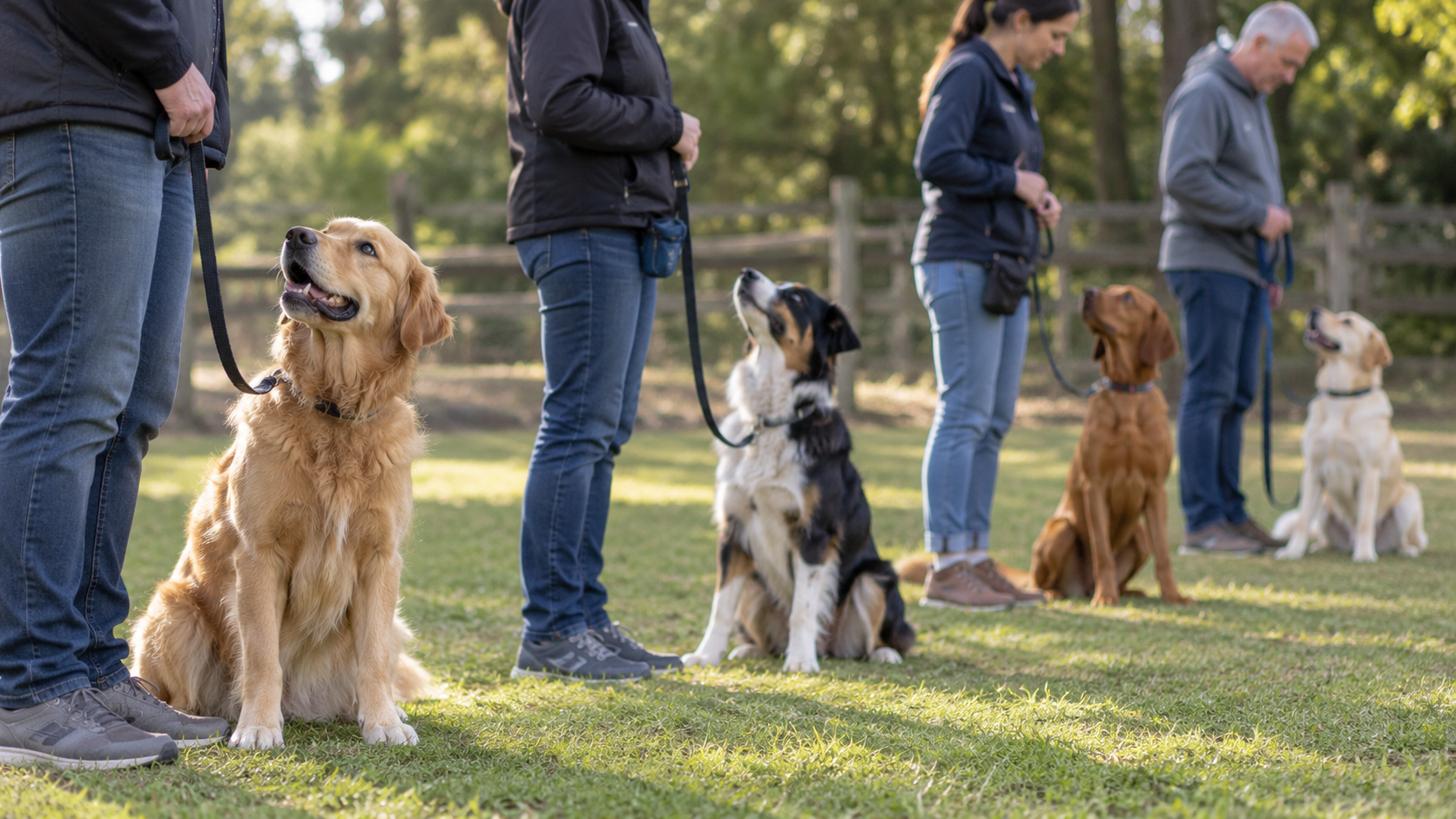
What 35 Certified Trainers Actually Disagree About
Researchers interviewed 35 certified trainers from both sides of the method argument. Nearly all of them agreed that positive reinforcement works best. After that, the agreement thins out quickly. If you have ever had two trainers give you opposite advice and wondered which one to believe, this is a useful look at where the real disagreements sit — and where they do not. We have been teaching in Columbia since 1968, and our answer has not changed much.
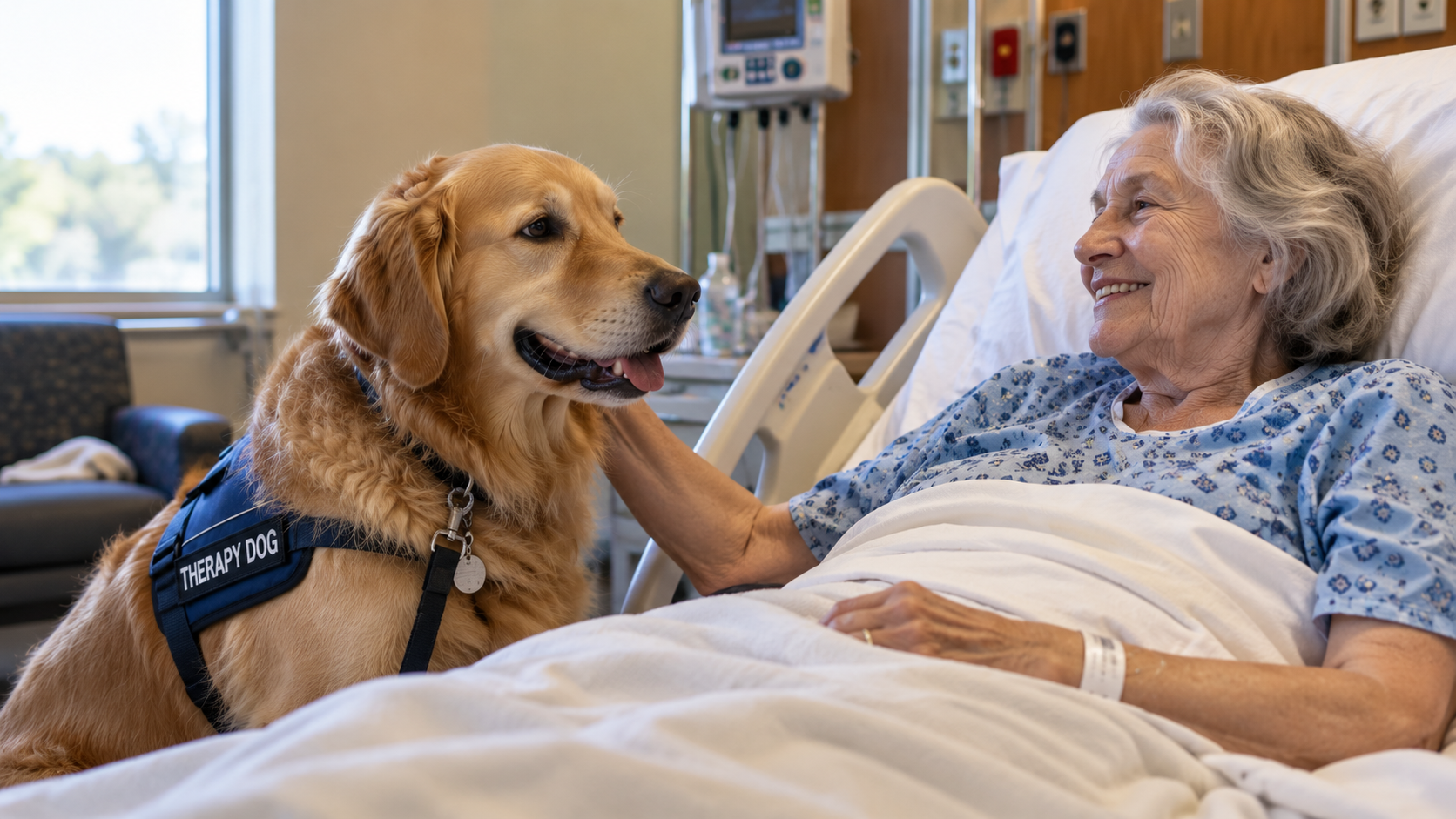
Therapy Dogs Eased Loneliness Where People Alone Could Not
A team at Virginia Commonwealth University ran a trial on a psychiatric unit, comparing patients visited by a handler with a dog against patients visited by the handler alone. The visits that included a dog helped more. It is the first study I have seen that separates what the dog contributes from what the visit contributes, and it is a harder thing to measure than it sounds. That is the work our therapy teams do, and it is why the training asks as much of the handler as it does of the dog.
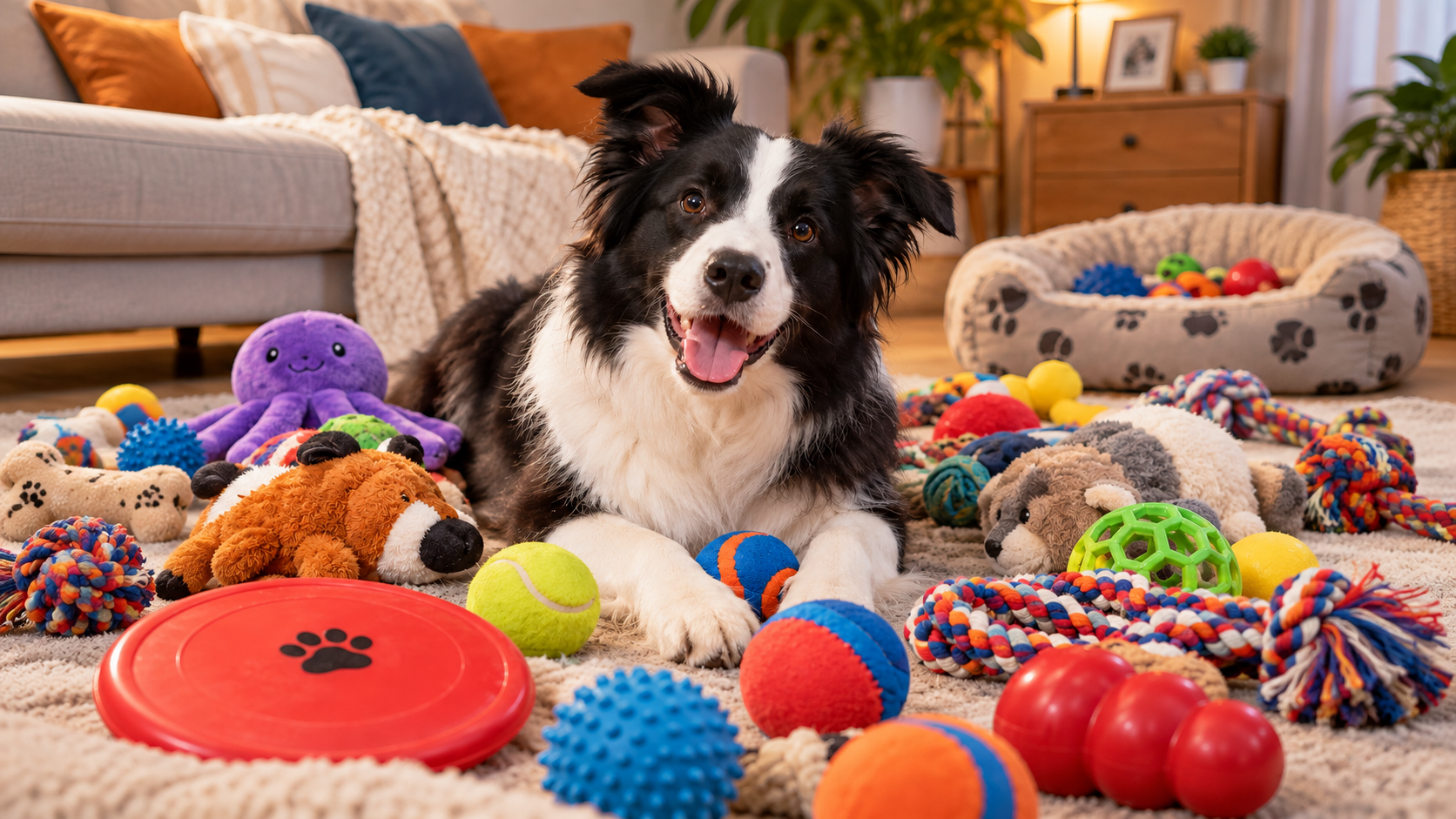
Some Dogs Learn Words Just by Overhearing You
Some dogs pick up the names of their toys without anyone setting out to teach them. A study in Science found dogs — mostly border collies — learning words from conversations they were never part of, the way a toddler does. The researchers are careful about it: this is a small group of dogs, not every dog. It is still a good reminder that your dog is taking in a great deal more than the words you aim at them directly. Whatever your dog picks up on their own, the attention you actually want has to be built.