
What Do Therapy Dogs Actually Do?
Bring comfort, encouragement, and connection wherever they're invited to serve.
.jpeg)
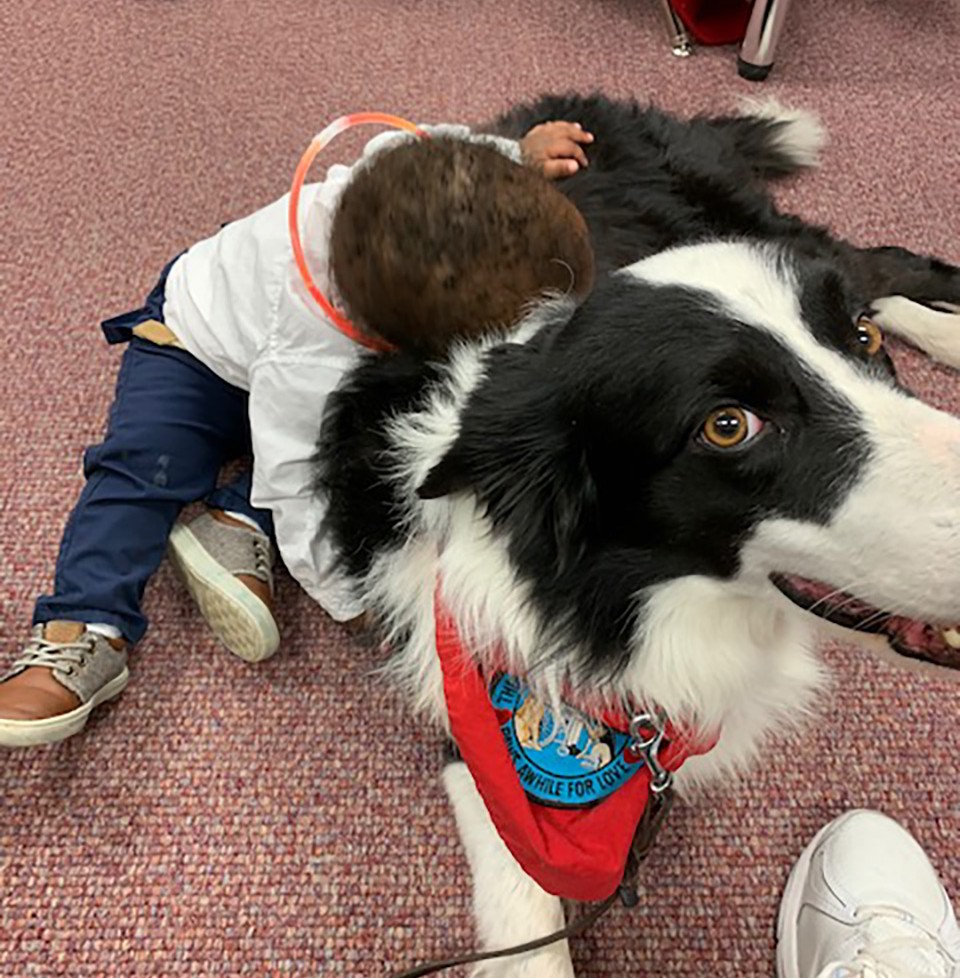
Every Visit Is About People
Therapy dogs don't perform medical treatments or provide professional counseling. Their role is much simpler—and often just as powerful.
A calm, friendly dog can
- Help people relax,
- Smile,
- Talk,
- Remember,
- Connect,
- To brighten someone's day through the partnership between a well-prepared dog and a thoughtful handler.
No two visits are exactly alike because every person has different needs.
Where Do Therapy Dogs Visit?
Certified therapy teams may be invited to visit places such as:
- Hospitals and rehabilitation centers.
- Nursing homes and assisted living communities.
- Schools and libraries.
- Colleges during stressful exam periods.
- Hospice programs.
- Community events.
- Disaster scenes and other outreach programs.
Each setting offers a different opportunity to encourage, comfort, and connect with others.
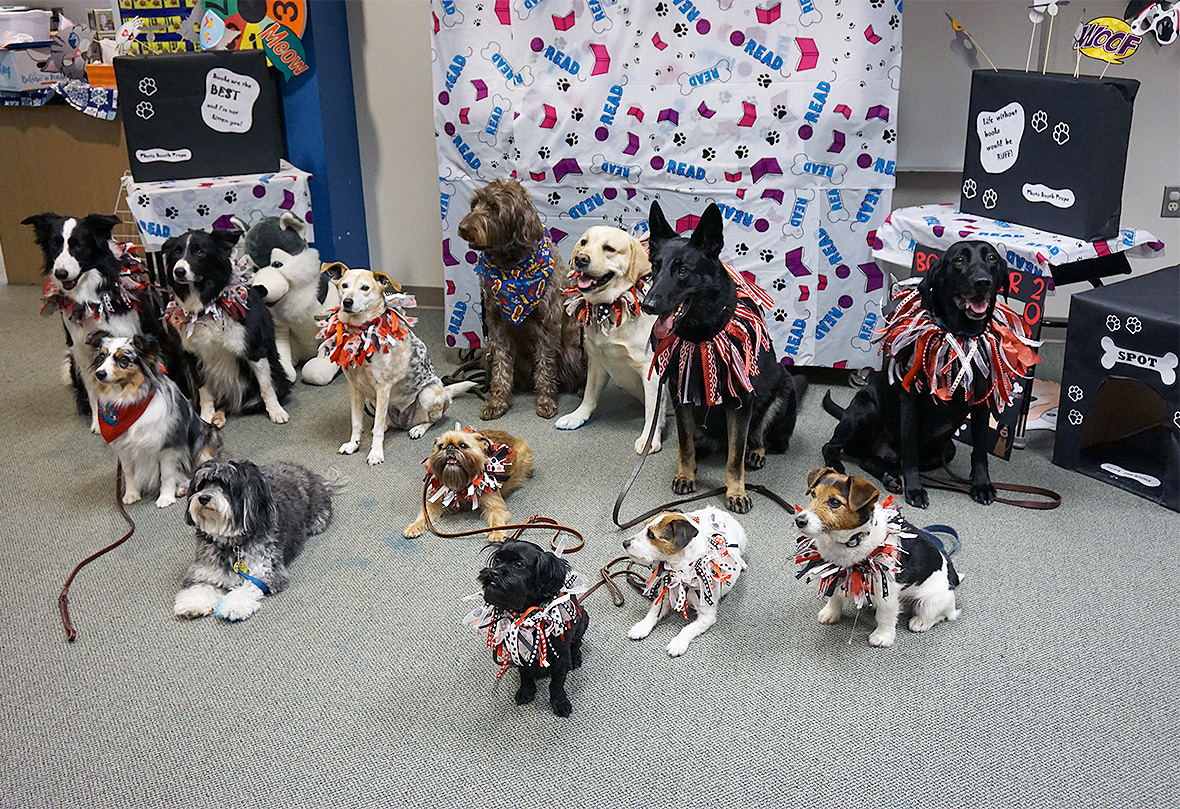
What Happens During a Visit?
Therapy visits are made up of simple moments that often become meaningful memories.
A therapy team might:
- Visit with patients, residents, students, or families.
- Encourage conversation and social interaction.
- Listen while a child reads aloud.
- Offer a calm presence during stressful times.
- Invite gentle petting and interaction.
- Share a favorite trick when it helps engage children or start a conversation.
- Create smiles through relaxed, friendly companionship.
The purpose is never to entertain. Every interaction is intended to support the people being visited while respecting the comfort and well-being of the dog.
Who Benefits?
Many therapy handlers discover that volunteering becomes one of the most rewarding experiences they share with their dog.
Together, you may:
- Build meaningful relationships.
- Strengthen your partnership.
- Gain confidence as a team.
- Experience the satisfaction of helping others.
- Continue learning from every visit.
The best therapy teams keep growing long after certification.
How DogSchooling Approaches Therapy Visits
At DogSchooling in Columbia, Missouri, we believe successful therapy visits are built on a trusting partnership between the dog and the handler.
Our goals are:
- To prepare teams that can confidently adapt to the people and situations they encounter,
- To put the needs of those they visit—and the well-being of the dog—first.
- To continue learning long after certification.
- To recognize that every visit builds experience, strengthens the partnership, and creates new opportunities to bring comfort, encouragement, and connection to others.
To get started with us – Register as a Member. Questions? Contact Us.
About the Author
Ann Gafke has spent more than 50 years helping families understand why dogs behave as they do before teaching how to change those behaviors. As founder of DogSchooling in Columbia, Missouri, she has worked with h thousands of puppies, family dogs, therapy dogs, service dogs, and dogs with reactive or aggressive behaviors.
Why Families Choose DogSchooling
- More than 50 years serving Mid-Missouri families
- Positive, reward-based training
- Weekly classes with private coaching included
- Video feedback between classes
- Puppy, family, therapy, service, and reactive dog programs