
Why Is Therapy Dog Training More Than Obedience Training
Great therapy teams grow through trust, confidence, and shared experience.
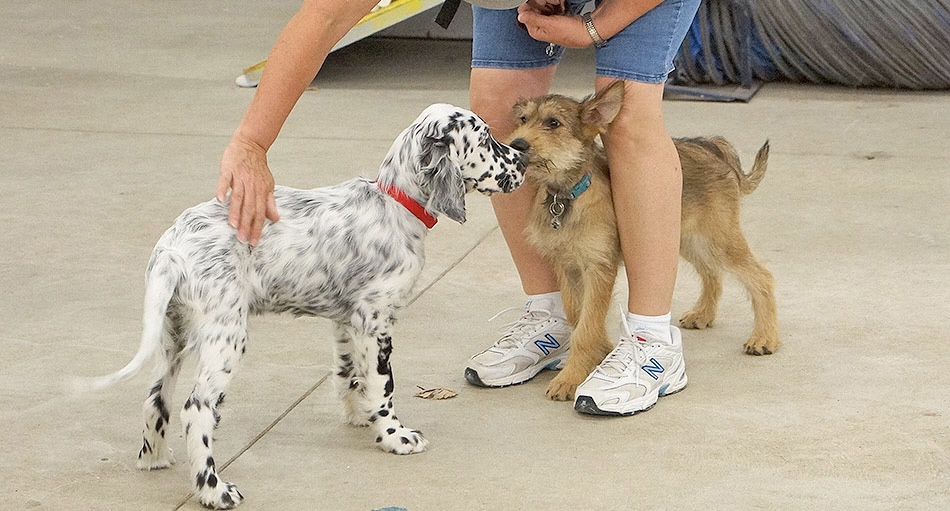
Obedience Builds the Foundation
Obedience training gives every therapy team a place to begin. The familiar exercises help dogs and handlers develop habits they will use throughout their therapy work.
Obedience helps every team learn to:
- Pay attention to one another.
- Respond when asked.
- Stay on task until the job is finished.
- Enjoy working together.
These lessons become the foundation for every therapy visit.
Therapy Training Expands Those Skills
Therapy training gives dogs and handlers opportunities to use those same lessons in hospitals, schools, libraries, nursing homes, and many other community settings.
Together, therapy teams learn to:
- Remain calm in unfamiliar places.
- Welcome people of every age and ability.
- Work comfortably around distractions.
- Grow more confident with each successful visit.
Every experience builds both skill and confidence.
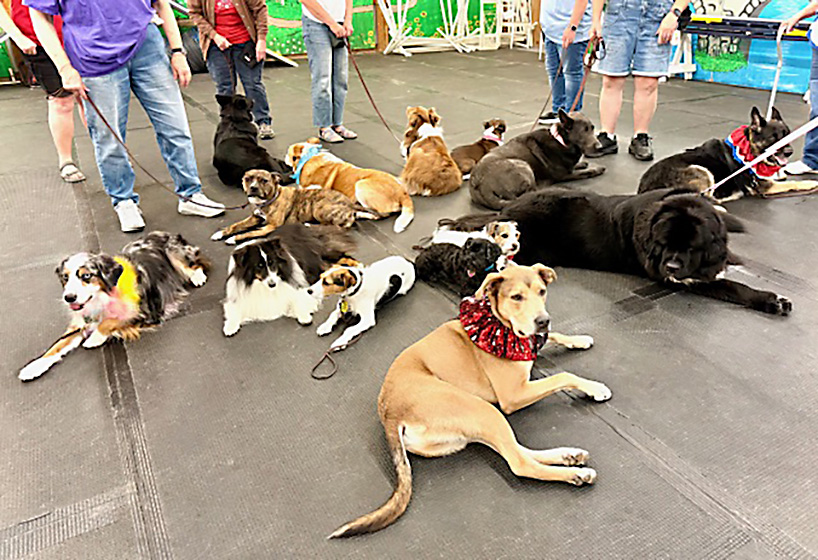
Dogs and Handlers Learn Together
Therapy work is never about training only the dog.
Together they learn to:
- Read one another's signals.
- Communicate clearly.
- Support one another through new situations.
- Enjoy helping others together.
The partnership between dog and handler is one of the greatest strengths of every successful therapy team.
Experience Builds Confidence
With experience, teams learn to:
- Stay focused despite distractions.
- Recover calmly from surprises.
- Make thoughtful decisions together.
- Build trust through successful visits.
Confidence grows one visit at a time.
Confidence Helps Therapy Teams Serve Others
Successful therapy teams earn trust wherever they visit because they are calm, dependable, and comfortable working together.
They become:
- Calm and dependable.
- Comfortable meeting new people.
- Welcomed by facilities they visit.
- Ready to make a positive difference wherever they serve.
That confidence comes from learning, practicing, and growing together.
Ready to Continue the Journey?
If you and your dog enjoy working together and spending time with people, therapy training may be your next step.
How Dogschooling Approaches It
At DogSchooling in Columbia, Missouri, Ann Gafke has spent more than 50 years helping people understand how dogs learn before teaching how to train them. We believe successful therapy work develops through partnership, trust, and shared experience between dog and handler.
To get started with us – Register as a Member. Questions? Contact Us.
About the Author
Ann Gafke has spent more than 50 years helping families understand why dogs behave as they do before teaching how to change those behaviors. As founder of DogSchooling in Columbia, Missouri, she has worked with thousands of puppies, family dogs, therapy dogs, service dogs, and dogs with reactive or aggressive behaviors.
Why Families Choose DogSchooling
- More than 50 years serving Mid-Missouri families
- Positive, reward-based training
- Weekly classes with private coaching included
- Video feedback between classes
- Puppy, family, therapy, service, and reactive dog programs