
How Do I Train a Therapy Dog?
Prepare your dog to work calmly with you in the real world.
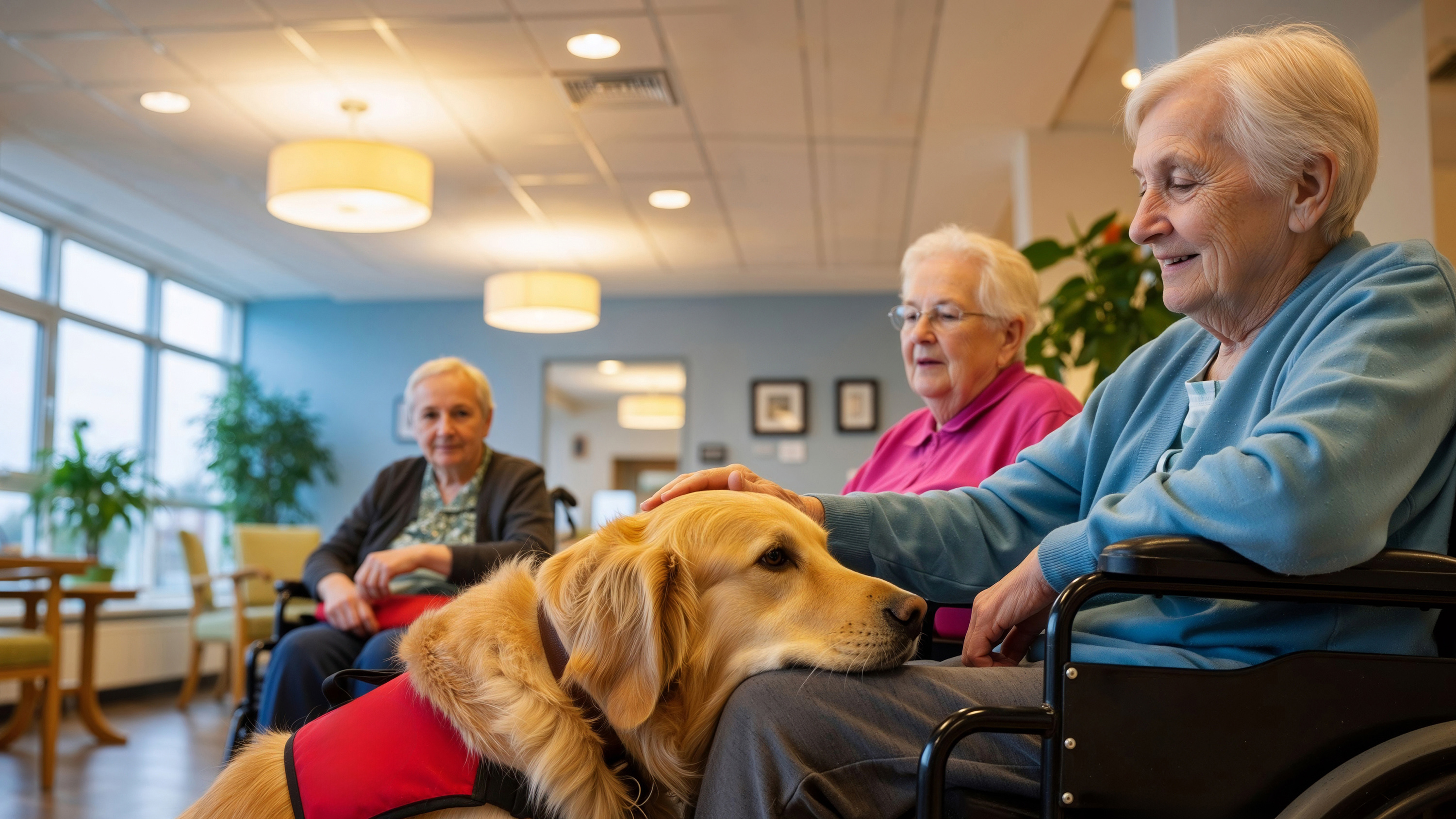
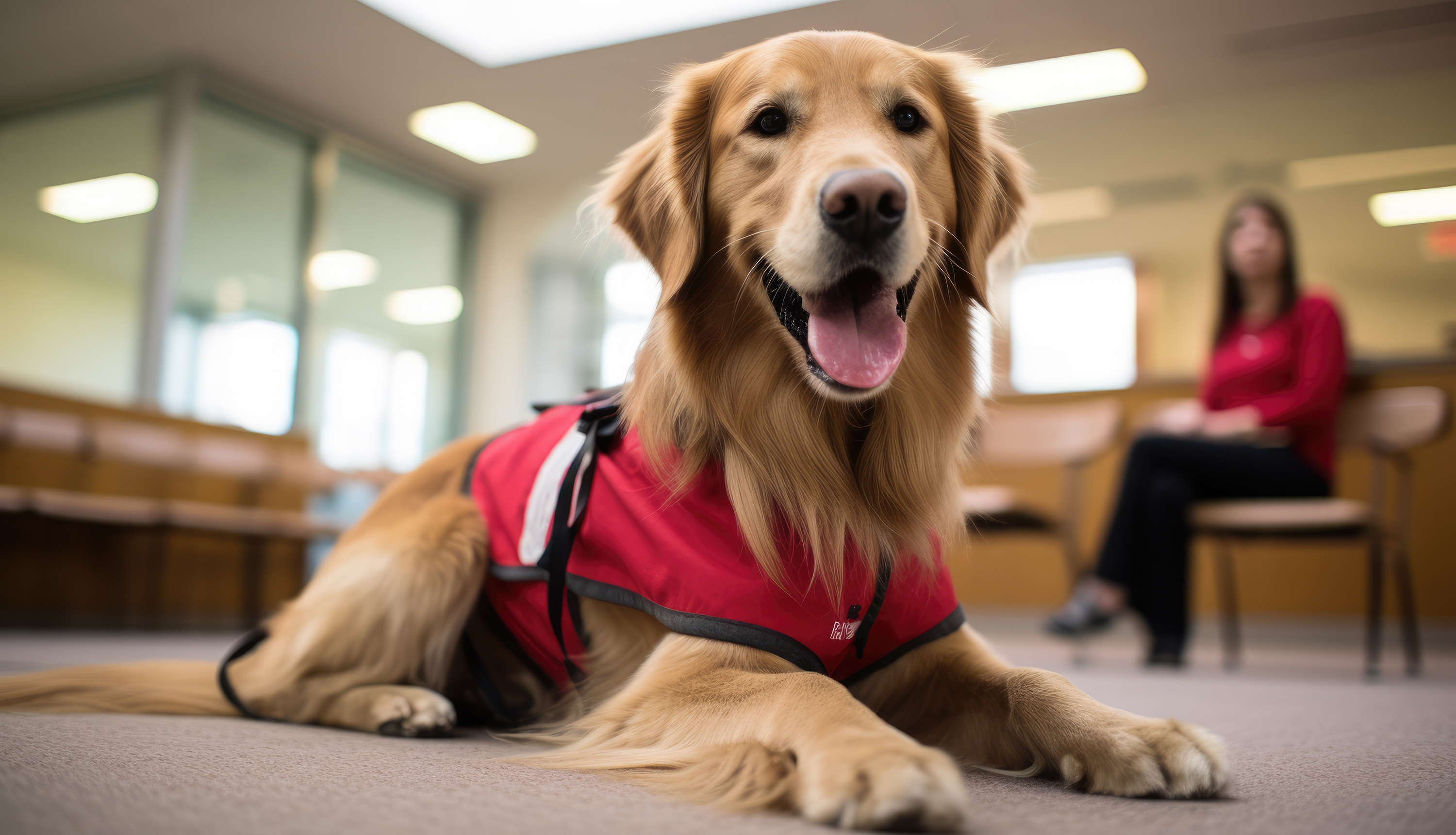
Start With a Strong Foundation
Therapy dog training begins with the same skills every well-trained dog needs:
- Pay attention to you despite distractions.
- Understand what you are asking the dog to do.
- Stay on task after being given an assignment.
- Enjoy working and learning with you.
Obedience provides the foundation. Therapy work asks the dog to use those skills when the surroundings—and the people—are unfamiliar.
Prepare for the Real World
Therapy visits can include situations that are difficult to reproduce in a training room. Your dog needs experience:
- Working in different places with new sights, sounds, and smells.
- Remaining calm around wheelchairs, walkers, medical equipment, and unusual movement.
- Meeting people who may speak, move, or respond differently.
- Being gently touched and handled by unfamiliar people.
- Settling quietly when nothing exciting is happening.
- Staying connected with you when distractions appear.
Successful therapy dogs are prepared for the real world by practicing in the real world.
Train the Team, Not Just the Dog
Therapy work involves partners. The handler also learns to:
- Recognize when the dog is comfortable—or becoming stressed.
- Give clear direction without constantly managing the dog.
- Help the dog recover from an unexpected situation.
- Know when the dog needs a break.
- Decide when an interaction is appropriate for both the person and the dog.
The goal is not simply a dog that follows commands. It is a dog and handler who trust each other and can work together.
Build Experience Gradually
- Therapy skills develop through successful experiences.
- New places, people, equipment, and distractions can be introduced gradually as the dog becomes more confident.
- Training should also be enjoyable.
- A therapy dog isn't simply tolerating visits.
- The dog should look forward to working with its handler and meeting the people it serves.
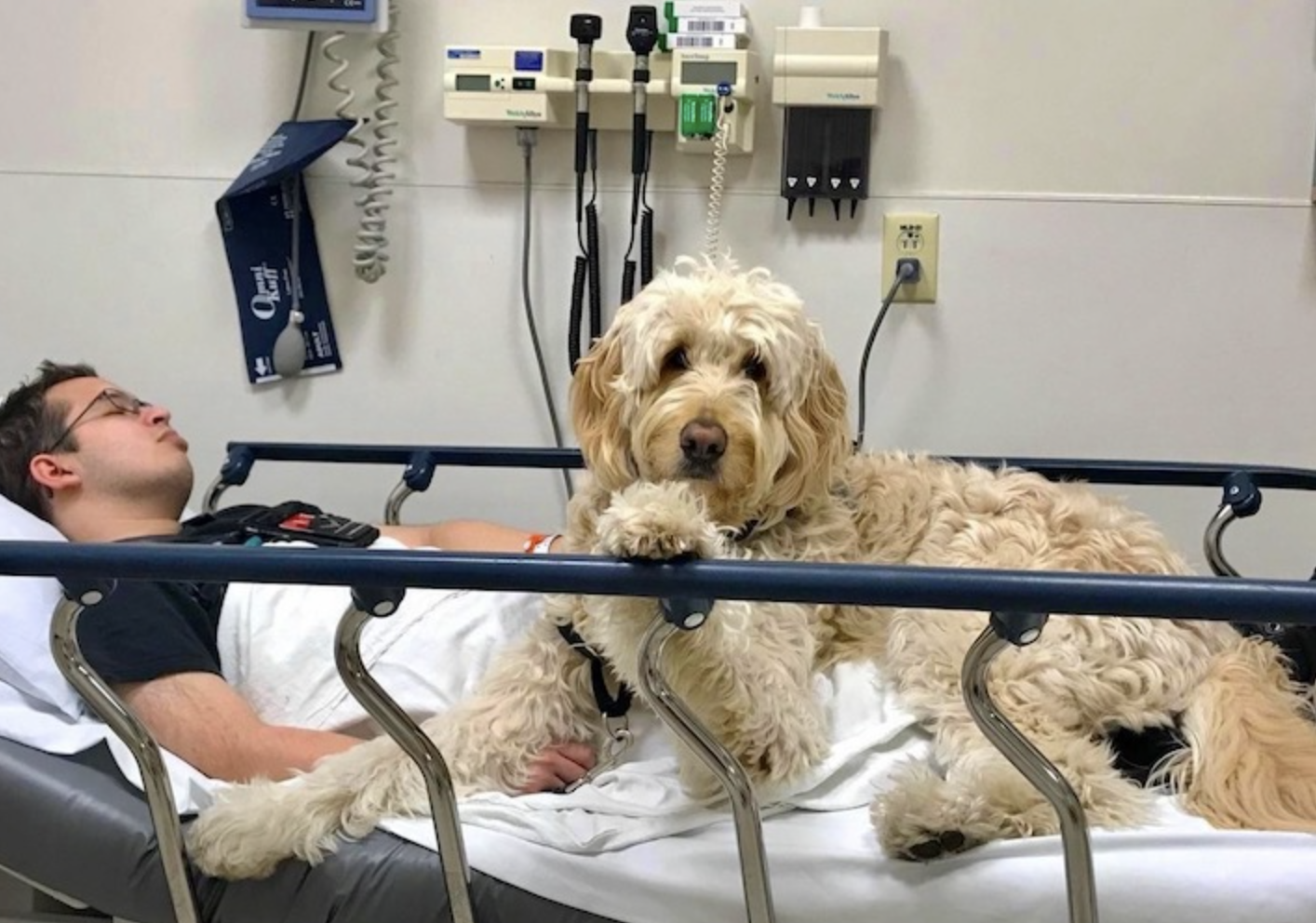
How DogSchooling Approaches Therapy Training
At DogSchooling in Columbia, Missouri, we help dogs and handlers develop together as a team. Obedience skills provide the foundation, then training expands into the kinds of people, places, distractions, and situations therapy teams may encounter.
To get started with us – Register as a Member. Questions? Contact Us.
About the Author
Ann Gafke has spent more than 50 years helping families understand why dogs behave as they do before teaching how to change those behaviors. As founder of DogSchooling in Columbia, Missouri, she has worked with thousands of puppies, family dogs, therapy dogs, service dogs, and dogs with reactive or aggressive behaviors.
Why Families Choose DogSchooling
- More than 50 years serving Mid-Missouri families
- Positive, reward-based training
- Weekly classes with private coaching included
- Video feedback between classes
- Puppy, family, therapy, service, and reactive dog programs