
Can My Dog Become a Therapy Dog?
Therapy work depends on temperament, training, and enjoying the job.
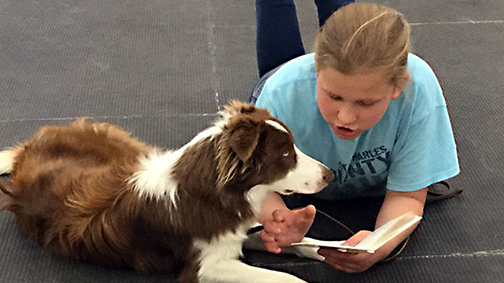
Why This Matters
- Therapy dogs come in many breeds, ages, sizes, and backgrounds.
- Enjoying people is important, but enjoying people alone does not make a dog ready for therapy work.
- Calm curiosity and the ability to recover from surprises may matter more than perfect obedience.
- Many of the skills a therapy dog needs can be developed through thoughtful training and experience.
What Makes a Good Therapy Dog
A potential therapy dog:
- Enjoys being around people.
- Is comfortable being gently touched and handled by unfamiliar people.
- Remains reasonably calm in new places.
- Recovers quickly from surprises.
- Looks to the handler for guidance.
- Can learn without becoming overwhelmed.
- Enjoys working with its handler.
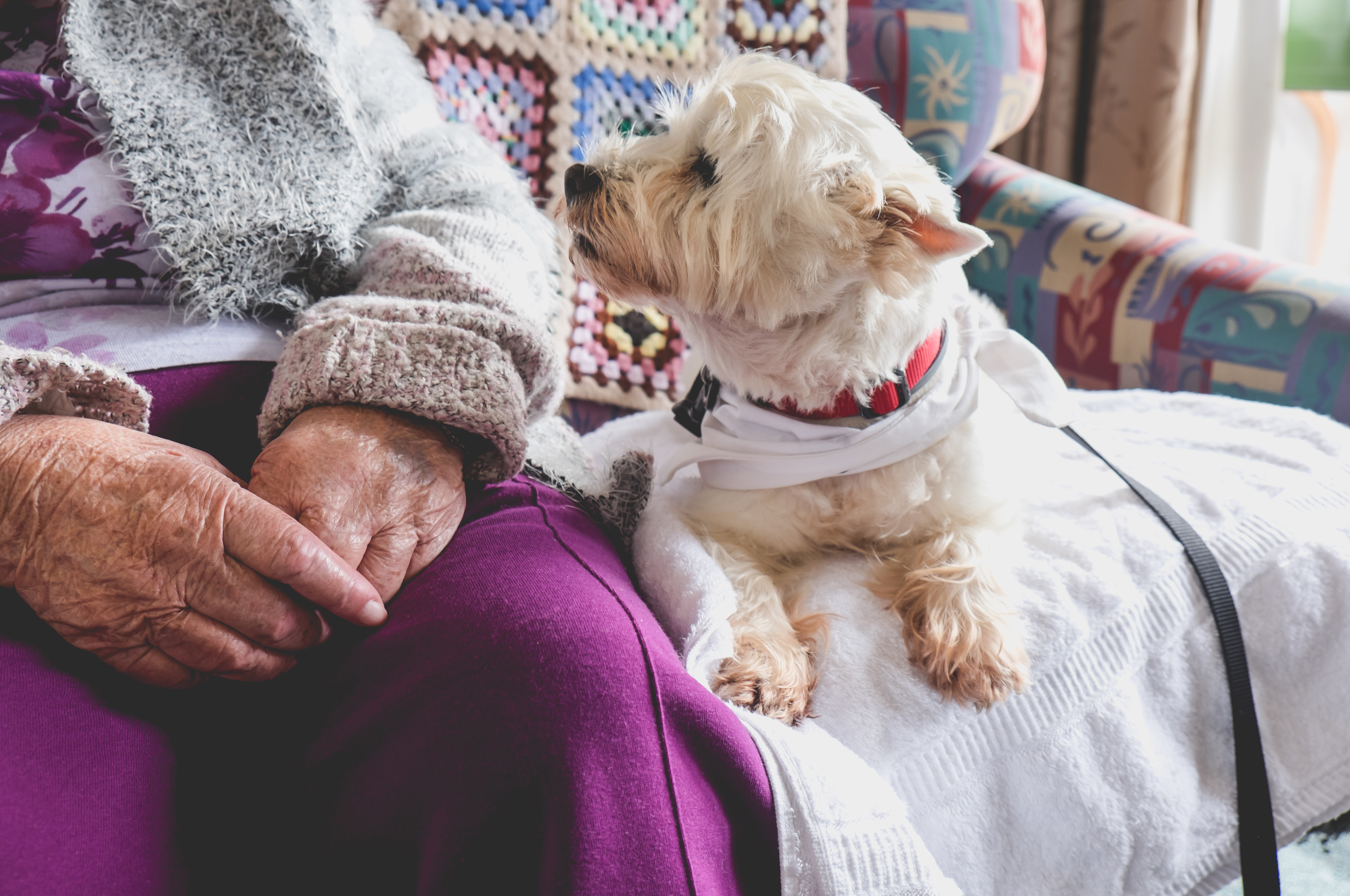
Common Misunderstandings
- My dog loves everyone, so it must be ready. Enthusiasm for people is only one part of therapy work.
- Excited greetings show that my dog will be a good therapy dog. Therapy visits usually require calm, controlled greetings.
- A shy dog can never become a therapy dog. Some dogs gain considerable confidence through patient training and experience.
- Only certain breeds make good therapy dogs. Many breeds and mixed breeds can become excellent therapy dogs.
- Therapy work is mostly about obedience. Obedience provides a foundation, but therapy work requires much more.
- Older dogs are too old to begin. Age alone does not determine whether a dog can enjoy and succeed at therapy work.
Signs Your Dog May Be Ready to Learn More
- Greets people without excessive excitement.
- Shows confidence in unfamiliar places.
- Recovers after being startled.
- Can settle quietly with you.
- Accepts direction when distractions are present.
- Enjoys working with you and looks to you for guidance.
Your dog does not need to possess every therapy skill today. Therapy dogs aren't born ready—they develop their skills through patient training and experience.

When Therapy Work May Not Be the Right Fit
Therapy work may not be appropriate for a dog with:
- Persistent fear of unfamiliar people.
- Unresolved aggressive behavior toward people or other dogs.
- Extreme anxiety in new environments.
- Difficulty recovering from stressful situations.
- Medical or physical conditions that make visits uncomfortable.
Not every dog should—or needs to—become a therapy dog. Dogs can enjoy many other valuable jobs and activities. Every dog deserves a role where it can succeed and enjoy working with its person.
How DogSchooling Approaches It
We believe successful therapy work begins with understanding the individual dog. Training can build skills and confidence, but the dog also needs to enjoy the work.
Our goal is to help handlers understand their dogs, develop their partnership, and determine whether therapy work is a good fit for both members of the team.
To get started with us – Register as a Member. Questions? Contact Us.
About the Author
Ann Gafke has spent more than 50 years helping families understand why dogs behave as they do before teaching how to change those behaviors. As founder of DogSchooling in Columbia, Missouri, she has worked with thousands of puppies, family dogs, therapy dogs, service dogs, and dogs with reactive or aggressive behaviors.
Why Families Choose DogSchooling
- More than 50 years serving Mid-Missouri families
- Positive, reward-based training
- Weekly classes with private coaching included
- Video feedback between classes
- Puppy, family, therapy, service, and reactive dog programs