
How Do I Stop My Dog from Pulling on the Leash?
Walking together begins with paying attention, not pulling harder.
Why Dogs Pull on the Leash
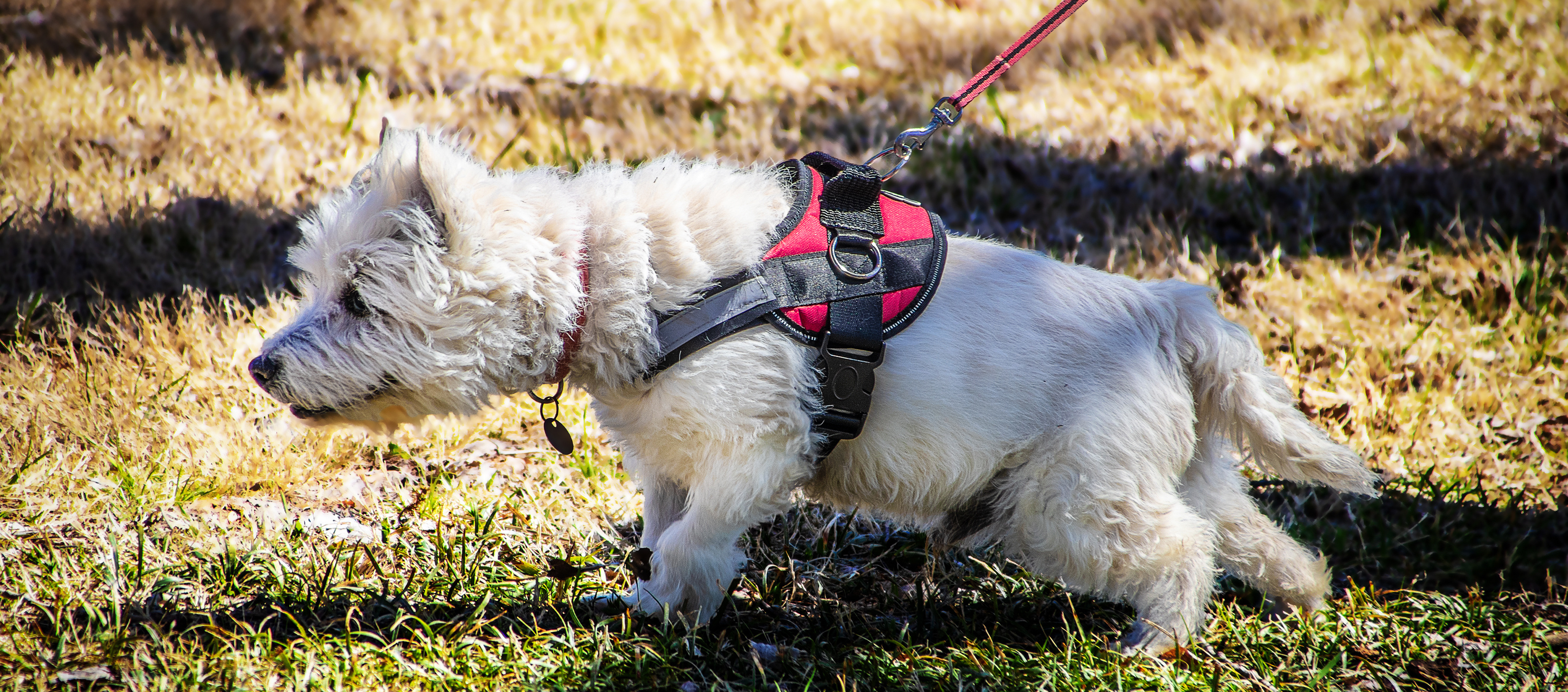
Dogs naturally move toward what interests them.
- Dogs are eager to explore new sights, sounds, smells, and people.
- Pulling often works because it gets the dog where it wants to go.
- Excitement, energy, and curiosity all encourage pulling.
- Many dogs have never learned that staying with their handler is part of the walk.
- Pulling is usually not stubbornness—it simply shows the dog's attention is somewhere
What Doesn't Help
- When you pull harder, it rarely teaches your dog to walk with you.
- Constantly repeating "Heel" or "No."
- Allowing pulling sometimes but correcting it other times.
- Expecting equipment alone to solve the problem.
- Becoming frustrated when the dog is simply doing what has worked before.
What Does Help
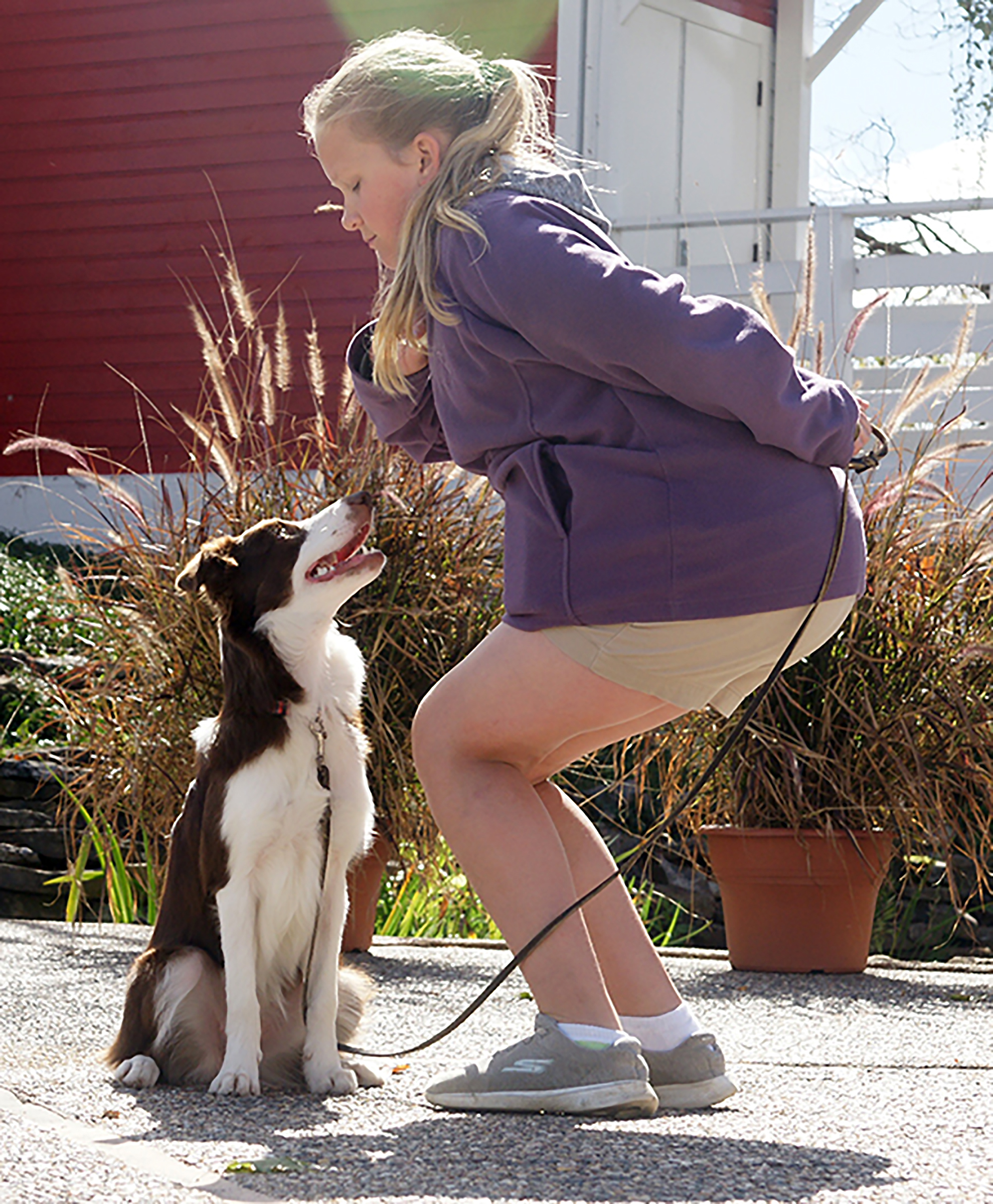
Loose-leash walking begins with communication.
- Teach your dog that paying attention to you is rewarding.
- Reward the position you want instead of waiting to correct mistakes.
- Practice first where distractions are few.
- Gradually introduce more challenging environments.
- Be consistent so your dog learns that staying connected always pays off.
- Walking together is teamwork, not a tug-of-war.
The Bigger Picture
Many people think leash pulling is the problem. We see it as a symptom. When dogs learn to pay attention to their handler, walking together becomes easier and the leash naturally becomes looser.
How DogSchooling Approaches Loose-Leash Walking
Rather than relying on strength or constant correction, DogSchooling teaches dogs that walking beside their handler is comfortable, rewarding, and enjoyable. Our Basic Dog Training (Level 1) program develops attention, communication, and teamwork so walks become more relaxed for both ends of the leash.
If you'd like help building those skills, we'd love to welcome you to one of our Basic Dog Training classes
To get started with us – Register for Basic Dog Training (Level 1) Questions? Contact Us.
Related Dog Training Topics
About the Author
Ann Gafke has spent more than 50 years helping families understand why dogs behave as they do before teaching how to change those behaviors. As founder of DogSchooling in Columbia, Missouri, she has worked with thousandsof puppies, family dogs, therapy dogs, service dogs, and dogs with reactive or aggressive behaviors.
Why Families Choose DogSchooling
- More than 50 years serving Mid-Missouri families
- Positive, reward-based training
- Weekly classes with private coaching included
- Video feedback between classes
- Puppy, family, therapy, service, and reactive dog programs