
How Do I Get My Dog to Stay?
Stay means remaining on the job until you say otherwise.
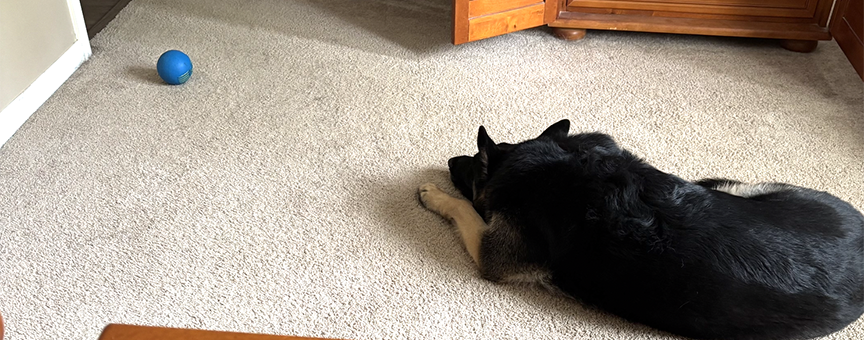
Why Staying Is Difficult
Dogs naturally want to investigate what is happening around them.
- Movement, sounds, people, and other dogs easily attract attention.
- Many dogs think the exercise ends as soon as they stop moving.
- Curiosity often becomes more rewarding than waiting.
- Young dogs especially find self-control difficult.
- Breaking a stay usually means the dog doesn't yet understand the assignment.
What Doesn't Help
A dependable stay isn't built through repeated corrections.
- Repeating "Stay...stay...stay."
- Asking for more than your dog is ready to do.
- Practicing only in distracting situations.
- Becoming frustrated when your dog moves.
- Forgetting to release your dog when the exercise is complete.
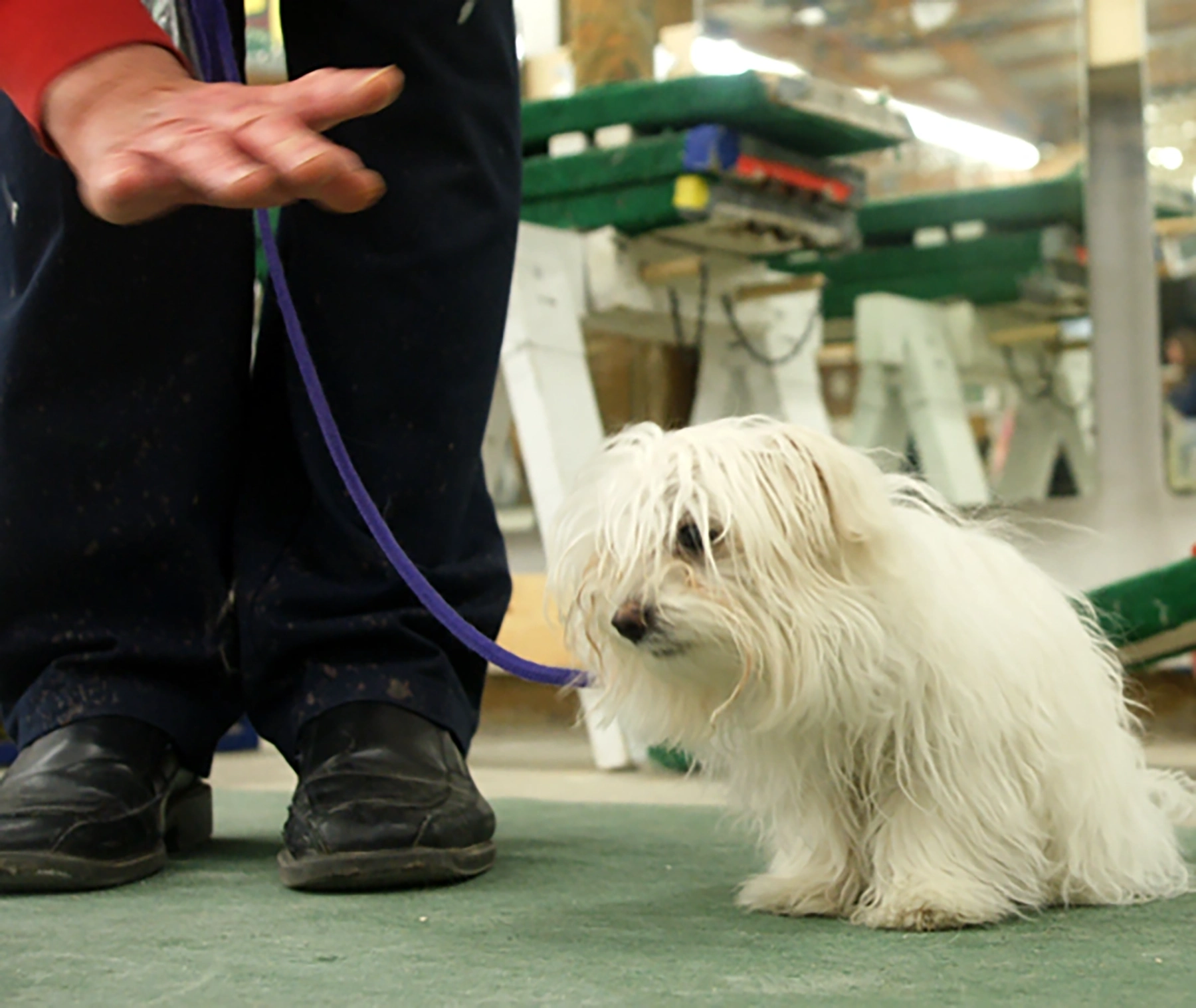
What Does Help
Reliable stays develop through clear communication.
- Begin with short, successful stays.
- Gradually increase time, distance, and distractions.
- Reward success before asking for more.
- Make sure your dog understands when the exercise begins and when it ends.
- Help your dog discover that patience is worthwhile.
- Remember that staying is about remaining engaged, not simply remaining still.
The Bigger Picture
A dependable stay gives your dog time to think instead of simply reacting. Whether you're greeting visitors, waiting to cross a street, or working toward therapy dog certification, staying on task builds confidence and self-control.
How DogSchooling Approaches Stay
At DogSchooling in Columbia, Missouri, we teach "stay" as more than remaining in one place. Dogs learn to stay focused on their assignment until they are released. That same skill carries into everyday life, making dogs calmer, safer, and more dependable in many different situations.
If you'd like help developing that level of reliability, our Basic Dog Training (Level 1) classes will show you how to build attention, communication, and teamwork one step at a time.
Related Dog Training Topics
- How Do I Stop My Dog from Pulling on the Leash?
- How Do I Teach My Dog to Come When Called?
- How Do I Get My Dog to Pay Attention Around Distractions?
- How Do I Get My Dog to Leave It?
- How Do I Stop My Dog from Jumping on People?
- How Do I Keep My Dog Calm When Visitors Arrive?
- How Do I Teach My Dog to Pay Attention to Me?
About the Author
Ann Gafke has spent more than 50 years helping families understand why dogs behave as they do before teaching how to change those behaviors. As founder of DogSchooling in Columbia, Missouri, she has worked with thousands of puppies, family dogs, therapy dogs, service dogs, and dogs with reactive or aggressive behaviors.
Why Families Choose DogSchooling
- More than 50 years serving Mid-Missouri families
- Positive, reward-based training
- Weekly classes with private coaching included
- Video feedback between classes
- Puppy, family, therapy, service, and reactive dog programs