
How Do I Teach My Dog to Come When Called?
A reliable recall can protect your dog and strengthen your partnership.
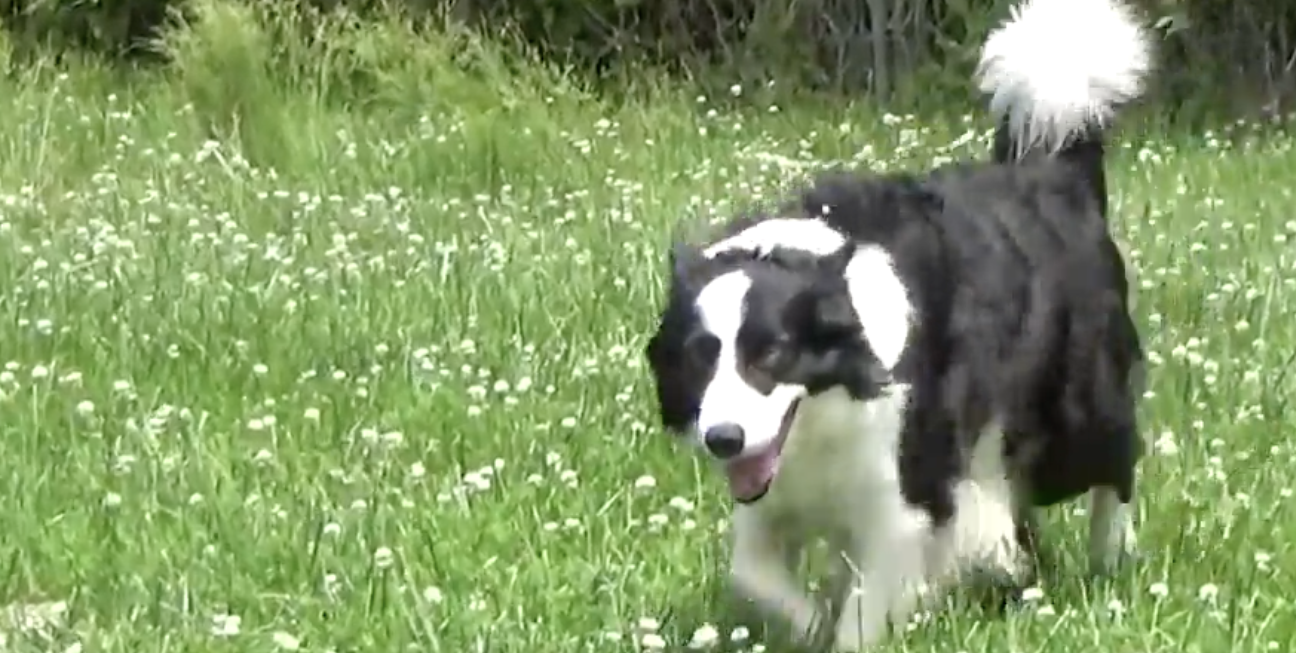
Why Dogs Don't Come When Called
Dogs naturally choose what seems most rewarding at the moment.
- Interesting smells, people, dogs, and wildlife compete for your dog's attention.
- If coming has ended the fun in the past, your dog may hesitate.
- Many dogs have never learned that coming promptly is always worthwhile.
- Calling repeatedly teaches some dogs they have time to decide.
- Ignoring a recall is usually not defiance—it often reflects where the dog's attention is focused.
What Doesn't Help
Reliable recall is rarely built through frustration.
- Repeating your dog's name over and over.
- Calling only when it's time to leave the park or end play.
- Chasing your dog when it doesn't come.
- Expecting reliability before practicing in easier situations.
- Letting your voice or frustration make coming to you less enjoyable.
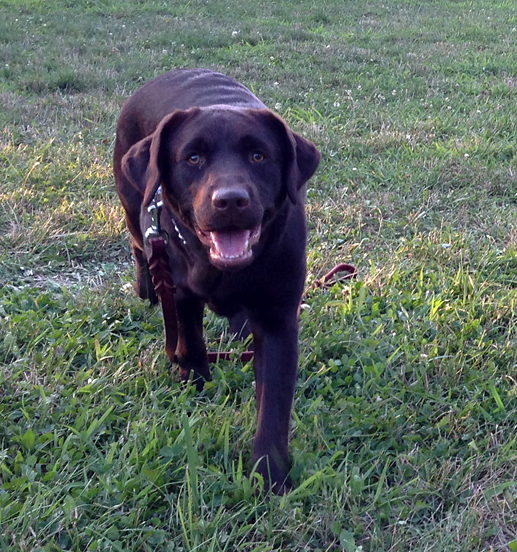
What Does Help
Coming when called is built through trust and practice.
- Help your dog learn that coming to you is the beginning of good things, not the end of fun.
- Practice first where distractions are limited.
- Gradually increase the difficulty as your dog succeeds.
- Reward prompt responses consistently.
- Help your dog learn that coming to you is the beginning of good things, not the end of fun.
- Remember that a reliable recall is one of the most important safety skills your dog can learn.
The Bigger Picture
A reliable recall is about more than obedience. It can protect your dog from traffic, unfamiliar people and animals, and other unexpected dangers. It also strengthens the everyday communication between you and your dog.
How DogSchooling Approaches Coming When Called
At DogSchooling in Columbia, Missouri, we help dogs learn to respond promptly, remain engaged with their handler, and stay on task until released. That reliability is developed through attention, communication, and consistent practice—not by repeating commands or relying on force.
If you'd like help building a dependable recall, our Basic Dog Training (Level 1) classes will show you how to develop one of the most valuable skills your dog can learn.
To get started with us – Register for Basic Dog Training (Level 1) Questions? Contact Us.
Related Dog Training Topics
- How Do I Stop My Dog from Pulling on the Leash?
- How Do I Get My Dog to Stay?
- How Do I Get My Dog to Pay Attention Around Distractions?
- How Do I Get My Dog to Leve It?
- How Do I Stop My Dog from Jumping on People?
- How Do I Keep My Dog Calm When Visitors Arrive?
- How Do I Teach My Dog to Pay Attention to me?
About the Author
Ann Gafke has spent more than 50 years helping families understand why dogs behave as they do before teaching how to change those behaviors. As founder of DogSchooling in Columbia, Missouri, she has worked with thousands of puppies, family dogs, therapy dogs, service dogs, and dogs with reactive or aggressive behaviors.
Why Families Choose DogSchooling
- More than 50 years serving Mid-Missouri families
- Positive, reward-based training
- Weekly classes with private coaching included
- Video feedback between classes
- Puppy, family, therapy, service, and reactive dog programs