
How Do I Teach My Dog to Leave It?
Self-control keeps your dog safer in everyday life.
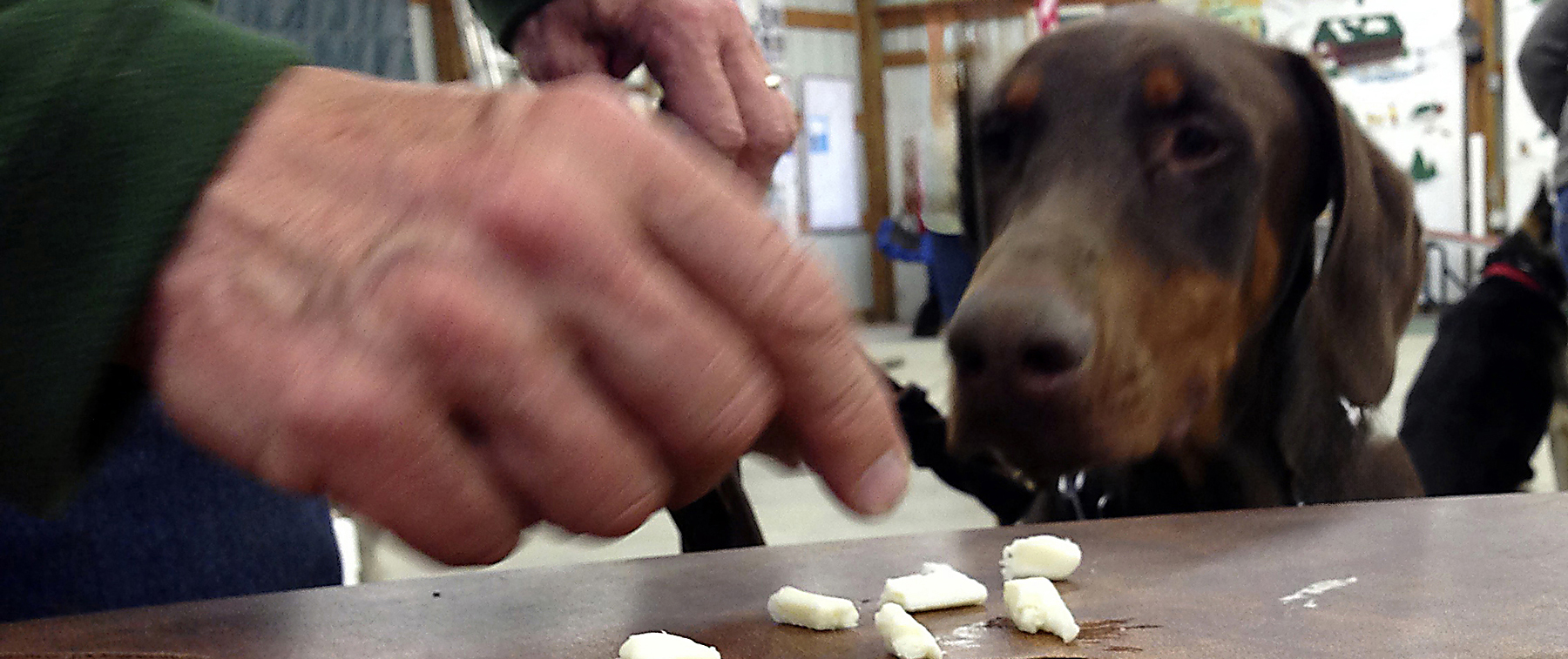
Why Dogs Grab Things
Dogs naturally investigate the world with their mouths.
- Interesting objects are rewarding to explore.
- Chasing and grabbing are normal instincts.
- Dogs don't automatically know which objects are safe.
- Taking something usually means the dog hasn't yet learned another choice.
What Doesn't Help
Self-control is learned, not forced.
- Chasing your dog after it grabs something.
- Turning every object into a game of keep-away.
- Expecting self-control before teaching it.
- Becoming angry when curiosity wins.
- Assuming your dog knows which things are dangerous.
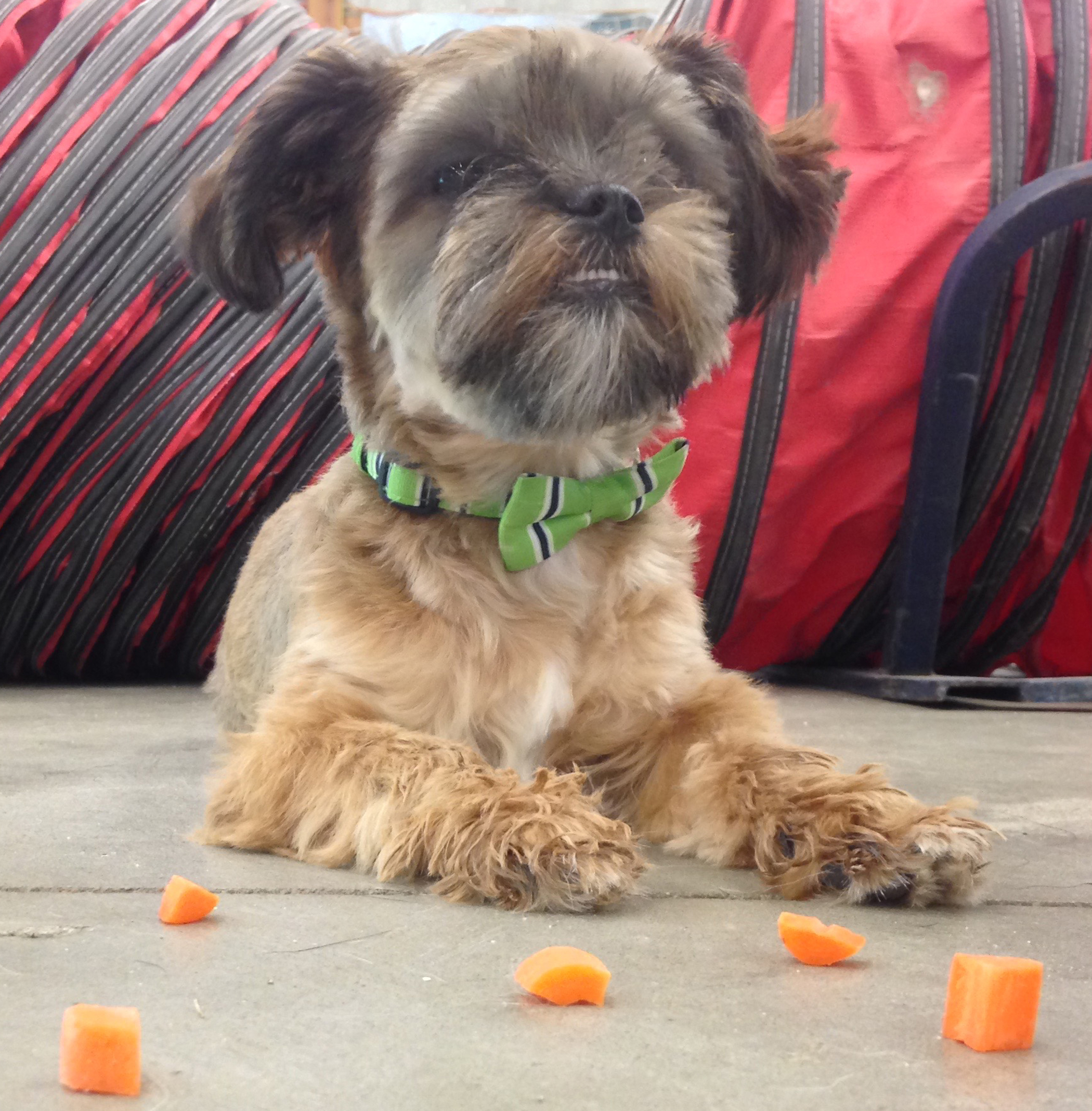
What Does Help
Good choices become habits through consistent practice.
- Teach your dog that waiting is rewarding.
- Practice with safe objects before real-life situations.
- Reward self-control consistently.
- Help your dog learn that some things belong to you.
- Build trust through clear, consistent expectations.
- Remember that self-control is learned one success at a time.
The Bigger Picture
Some situations call for waiting. Others require leaving an object alone completely. Developing that judgment makes dogs safer and easier to live with.
How DogSchooling Approaches Self-Control
At DogSchooling in Columbia, Missouri, we teach "Leave It" as more than a single command. We help dogs develop the self-control to make better choices around everyday temptations. As dogs learn to pause, think, and stay engaged with their handler, they become safer, more reliable, and easier to live with.
If you'd like help building that kind of self-control, our Basic Dog Training (Level 1) classes will show you how to develop those skills through clear communication, enjoyable practice, and teamwork.
To get started with us – Register for Basic Dog Training (Level 1) Questions? Contact Us.
Related Dog Training Topics
- How Do I Stop My Dog from Pulling on the Leash?
- How Do I Teach My Dog to Come When Called?
- How Do I Get My Dog to Stay?
- How Do I Get My Dog to Pay Attention Around Distractions?
- How Do I Stop My Dog from Jumping on People?
- How Do I Keep My Dog Calm When Visitors Arrive?
- How Do I Teach My Dog to Pay Attention to Me?
About the Author
Ann Gafke has spent more than 50 years helping families understand why dogs behave as they do before teaching how to change those behaviors. As founder of DogSchooling in Columbia, Missouri, she has worked with thousands of puppies, family dogs, therapy dogs, service dogs, and dogs with reactive or aggressive behaviors.
Why Families Choose DogSchooling
- More than 50 years serving Mid-Missouri families
- Positive, reward-based training
- Weekly classes with private coaching included
- Video feedback between classes
- Puppy, family, therapy, service, and reactive dog programs